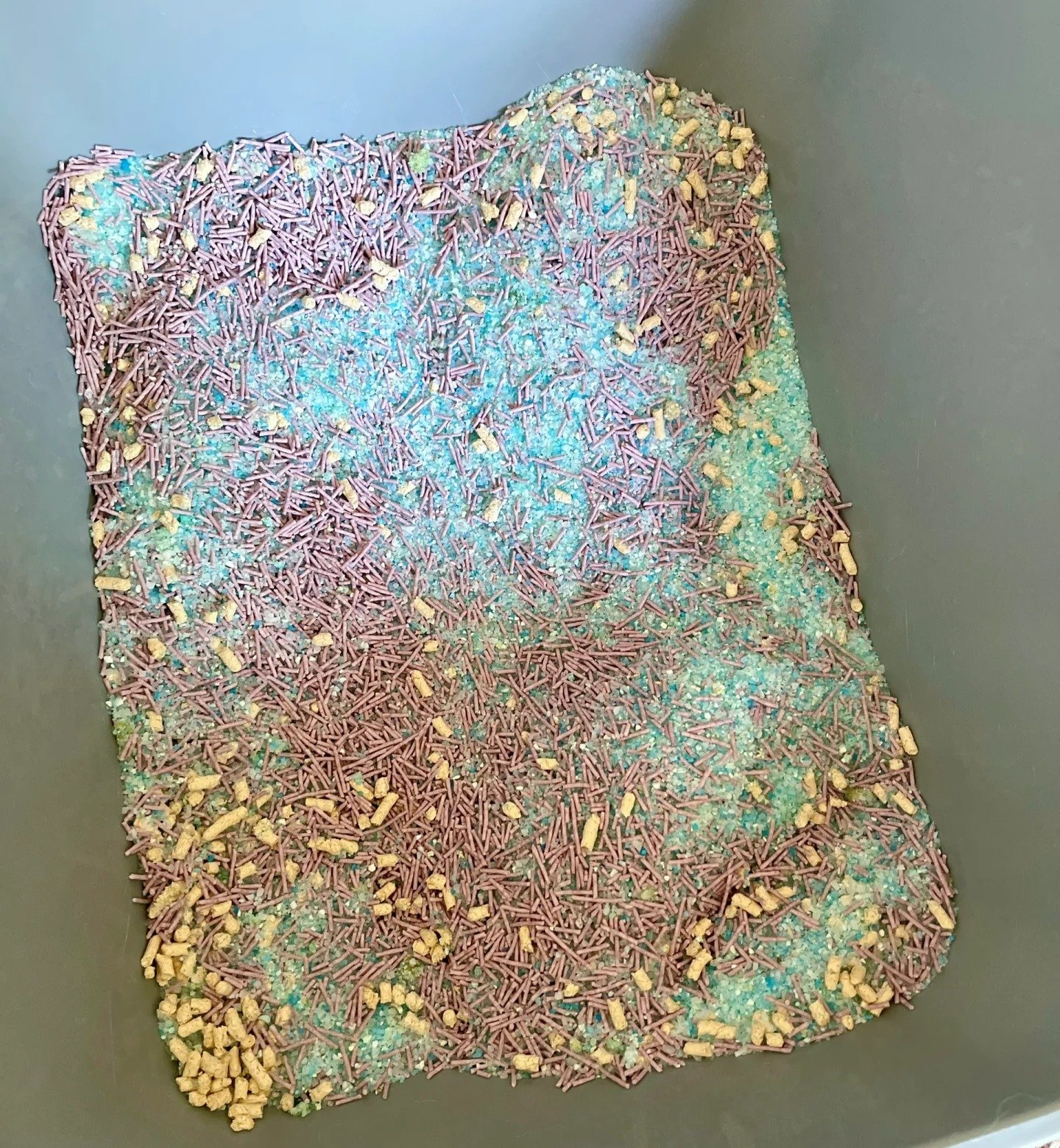
Choosing the right cat litter can greatly improve your cat‑raising experience. Mainstream cat litters on the market each have pros and cons. You can pick based on your budget, cleaning habits and your cat’s paw‑feel preference.
Main Cat Litter Types: Pros & Cons
Bentonite Cat Litter: Excellent clumping, instant urine absorption. Paw feel is closest to natural sand with the highest cat acceptance, and it is budget‑friendly. However, it produces lots of dust that may irritate respiratory tracts and cannot be flushed down toilets. Suitable for households on a tight budget with cats sensitive to litter texture.
Tofu Cat Litter: Very low dust, safe natural ingredients, water‑soluble and toilet‑flushable for easy maintenance. Drawbacks include moderate clumping and odor control; it gets damp and moldy easily in humid conditions. Great for renters, kittens and families with respiratory‑sensitive pets.
Tapioca Cat Litter: Nearly dust‑free, firm clumps with minimal sticking‑to‑bottom, soft texture well‑liked by cats. Downsides are higher price, high consumption rate and particles easily tracked out of litter boxes. Ideal for well‑budgeted homes chasing premium experience.
Mixed Cat Litter: Usually blended from tofu, bentonite or tapioca litter. Balances fast clumping, odor control and low dust for best overall cost‑performance. Quality varies greatly; pay attention to blending ratios. Perfect for most beginners and multi‑cat households.
Crystal Cat Litter: Powerful odor control, zero dust, low‑frequency replacement. Poor paw feel and low cat acceptance. It absorbs moisture without clumping and carries ingestion risks. Fits busy cat owners who hate bad smells.
Buying & Usage Tips to Avoid Pitfalls
Check dust level: Dust is a critical baseline. Avoid litters releasing heavy white dust when pouring; long‑term exposure harms both cats and humans’ respiratory systems.
Check clumping performance: Quality litter forms solid clumps within 3 seconds without breaking when scooped. Slow or fragile clumps ruin cleaning experience.
Avoid heavy fragrances: Strong scent is a red flag. Cheap litters use strong perfume to mask bad raw‑material smells. Premium litters rely on activated carbon or baking soda for physical deodorization; light‑scented or unscented is preferred.
Litter depth: Keep litter depth at 5‑8 cm. Too thin layer causes heavy sticking‑to‑bottom and messy cleaning.
Litter transition: When switching litter or brands, keep one‑third old litter. Mix 7 parts old litter with 3 parts new litter for a 7‑day transition period to prevent stress‑induced inappropriate urination.
Popular Blending Combinations
Top‑tier Odor‑Dust‑Free Mix: Tapioca + mineral + tofu litter. Best deodorization & dust suppression for rhinitis sufferers and multi‑cat homes.
Best Cost‑Performance Mix: Mineral + tofu litter. Balances fast clumping and low dust for most households.
Low‑Dust Eco‑Friendly Mix: Tapioca + tofu litter. Nearly dust‑free and flushable for allergy sufferers and small‑space apartments.
How many cats do you have at home? Do you prioritize odor control, low‑dust performance or toilet‑flush convenience? Tell me your actual needs and I will recommend better products or blending formulas for you!
