 由 A.TOM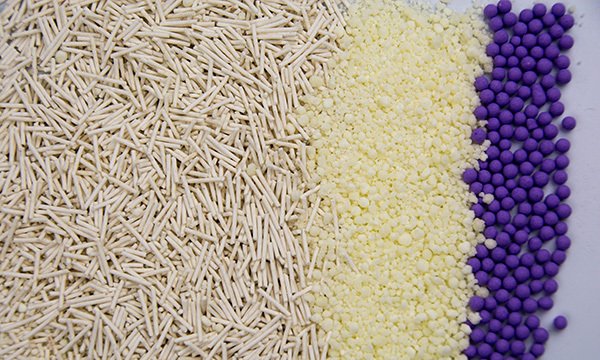
Three mainstream formulas of blended cat litter are widely sold on the market:
- 3:7 Ratio (70% bentonite + 30% tofu cat litter) Advantages: Excellent water absorption, fast clumping, effectively reduces litter sticking to the bottom of the litter box. Minor disadvantage: The bentonite portion creates quite a lot of dust, which is unfriendly to cats with sensitive respiratory systems.
- 5:5 Ratio (50% bentonite + 50% tofu cat litter) Advantages: Balances the strong water absorbency of bentonite and the eco-friendly feature of tofu litter with a moderate price. Minor disadvantage: Clumps are not compact enough and easily break apart when cats scratch the litter.
- Formula: 40% cassava + 5% baking soda + 50% tofu litter + 5% deodorizing factors Advantages: Combines the powerful clumping ability of cassava, the deodorizing and antibacterial effects of baking soda, as well as the low-tracking performance of tofu litter, resulting in superior comprehensive performance. Minor disadvantage: Higher raw material costs lead to a slightly higher selling price.
Key Standards for Selecting Blended Cat Litter
You are advised to focus on the following aspects when buying blended cat litter:
- Safety Give priority to products made of natural raw materials with authoritative certifications to lower risks caused by accidental ingestion by cats.
- Odor Removal Performance Pay attention to the deodorizing mechanism. Choose litters that decompose odor molecules rather than simply covering up bad smells; products supported by third-party test data are ideal choices.
- Clumping Property Litter that clumps rapidly and tightly slows odor dispersion and makes daily cleaning much easier.
- Dust Control Low-dust formulas protect the respiratory health of both cats and family members.
- Anti-tracking Performance Products with well-shaped pellets that cut down litter tracking around the house can reduce household cleaning workload.